

The language of stress: interpreting its signals
Stress can manifest in subtle and not-so-subtle ways. It creeps into our lives sometimes unnoticed until its effects become impossible to ignore. It manifests in various ways, impacting our mental, emotional, and physical well-being.
Mental Manifestations:
Brain Fog: You may have difficulty concentrating, making decisions, and retaining information. Racing thoughts are common and it can be hard to quiet your mind.
Negative Thoughts: Pessimism and self-doubt can take over. You become irritable and impatient. I’ve experienced some of this and never want anyone to become the target of my cranky self. Getting trapped in a self-doubt spiral is no fun either.
Forgetfulness: You experience memory lapses, especially your short-term memory. You may also have difficulty recalling details or organizing your thoughts. Sometimes, I think the loss of memory is just my body showing signs of age. That may be somewhat true but stress is likely the culprit more times than not. I forget numbers and can’t always find the right words when I am stressed.
Emotional Manifestations:
Heightened Anxiety: Excessive worrying…

navigating Self-Care as a caregiver for your elderly parent
One of the important lessons I learned early on is that taking care of myself while caring for my elderly parent is crucial for both our well-being. It took me a while to get up to speed and it made all the difference.
What does self-care look like?
Your physical well-being: We frequently hear about the importance of exercise, a healthy diet, and getting adequate sleep. This is especially true when caring for others. I get that the stress of caring for a parent can lead you to grab a bag of chips and distract yourself in front of the TV until the late hours. Eventually, it takes a toll. Your energy level plummets and your patience wears thin. It’s not a pretty picture.
If you do not already have an exercise routine, find one that fits your schedule and that you will enjoy doing…
You need a ton of energy to care for your parent. Cutting back on processed foods…
Sleep can be elusive depending on the level of care you are providing. It’s critical to get at least 6 - 8 hours of sleep a night. I do not function well when I don’t get enough sleep.
Your emotional well-being: Taking breaks is essential…
Adapting Together: Managing Transitions with Your Elderly Parent
What happens when you have an elderly parent who needs 24/7 care? How do you help them adjust to a life full of change and transition?
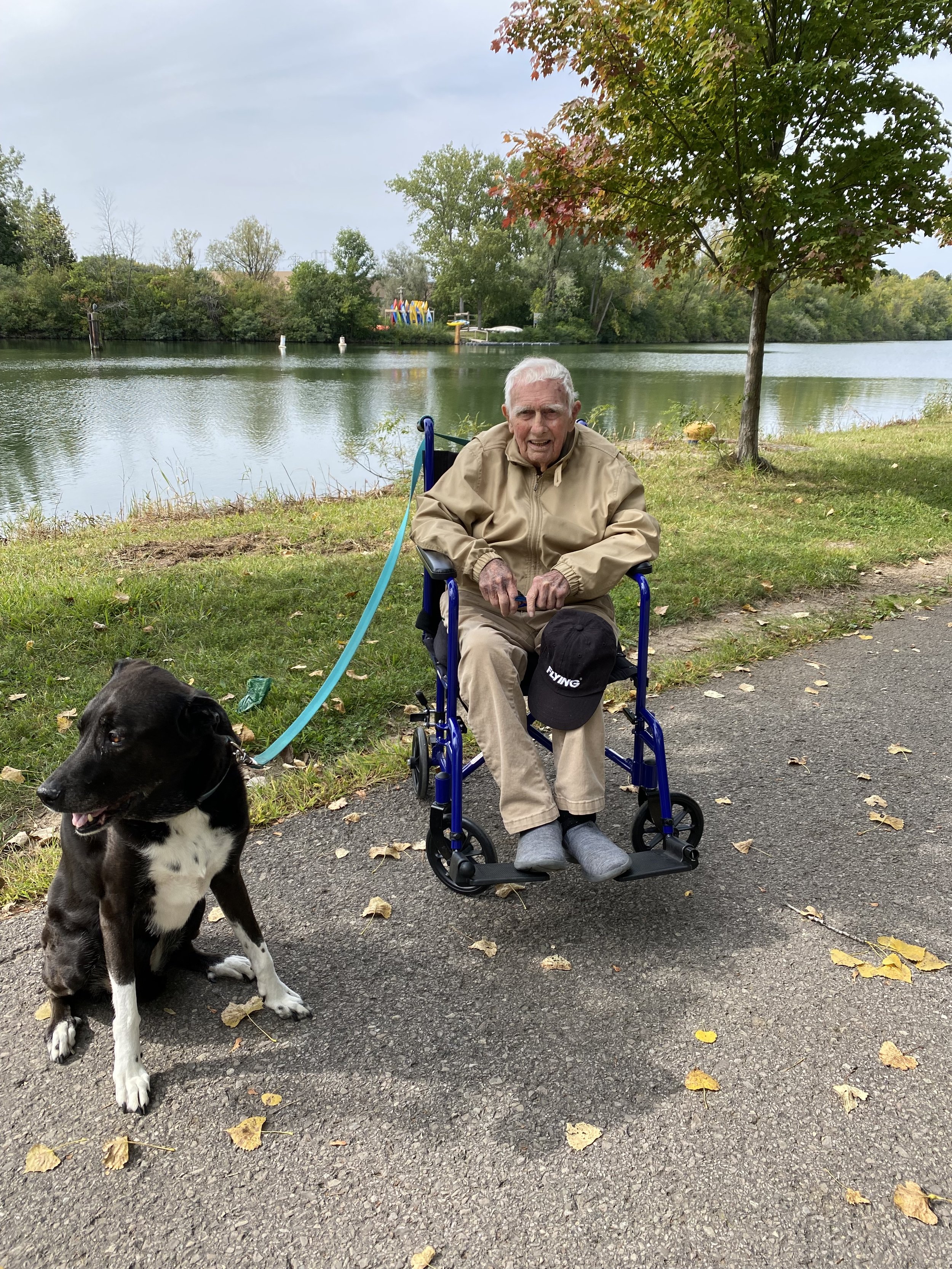
I recently moved back to my hometown after living away for four decades. I did this for many reasons; participating in the care of my 98-year-old (now 99) father was a significant factor, along with a desire to be closer to family and to live in a smaller, more affordable city.
Not only did I move home but I moved in with my father. Living with my elderly father after living on my own for most of my life required some adjustment to say the least. And of course, this was a significant change for my father as well…
What I want to highlight here are the changes that my father is experiencing and their effect…
All of a sudden, you need more care. You need to depend on your family more than ever. You were always the one who took care of them and now your independence is almost completely gone. It’s challenging, demoralizing, and frustrating. The overriding thought is that you no longer feel useful…
So how do you help your parent maintain some independence and continue to feel useful?

Get comfortable with being uncomfortable
Why is being comfortable with being uncomfortable important? What benefits does it offer?
It expands your comfort zone. What once was uncomfortable eventually becomes familiar setting you up to handle challenges with less fear.
It enhances your ability to adapt to new situations. Nothing goes exactly to plan. Adaptability is essential to managing any major life change.
It finetunes your decision-making and problem-solving skills. Challenges such as major life changes can involve making some tough decisions. Developing the ability to make decisions and solve problems in challenging situations can build these skills…

From anxiety to anticipation: The science of rewiring your mind
Our brains are hard-wired to prioritize safety and familiarity. Although this programming can be beneficial, it often holds us back from embracing change and taking into consideration the unknown. The good news is, that just as our brains learned to proceed with caution and protect us, we have the power to reprogram them for empowerment and exploration.
Understanding the Safety Programming:
Our brains are geared for survival. They instinctively seek patterns, familiar environments, and known outcomes to minimize perceived threats. In today's dynamic and sometimes overwhelming world, this instinct can manifest as resistance to change, creating barriers to personal growth and fulfillment…

your intuition is a powerful tool
With all of the resources at your disposal, how do you determine what makes sense to and for you? Let me suggest the most powerful resource - your intuition. Your intuition is your inner voice, a gut feeling, an internal compass. It goes beyond logic and reason. It helps us make decisions that align with who we are and our values. It tells us what feels right. Trusting your intuition can unlock your full potential and enhance your creativity.
Here are a few reasons why you are your best resource… After all, who better to determine what is right for you than YOU?